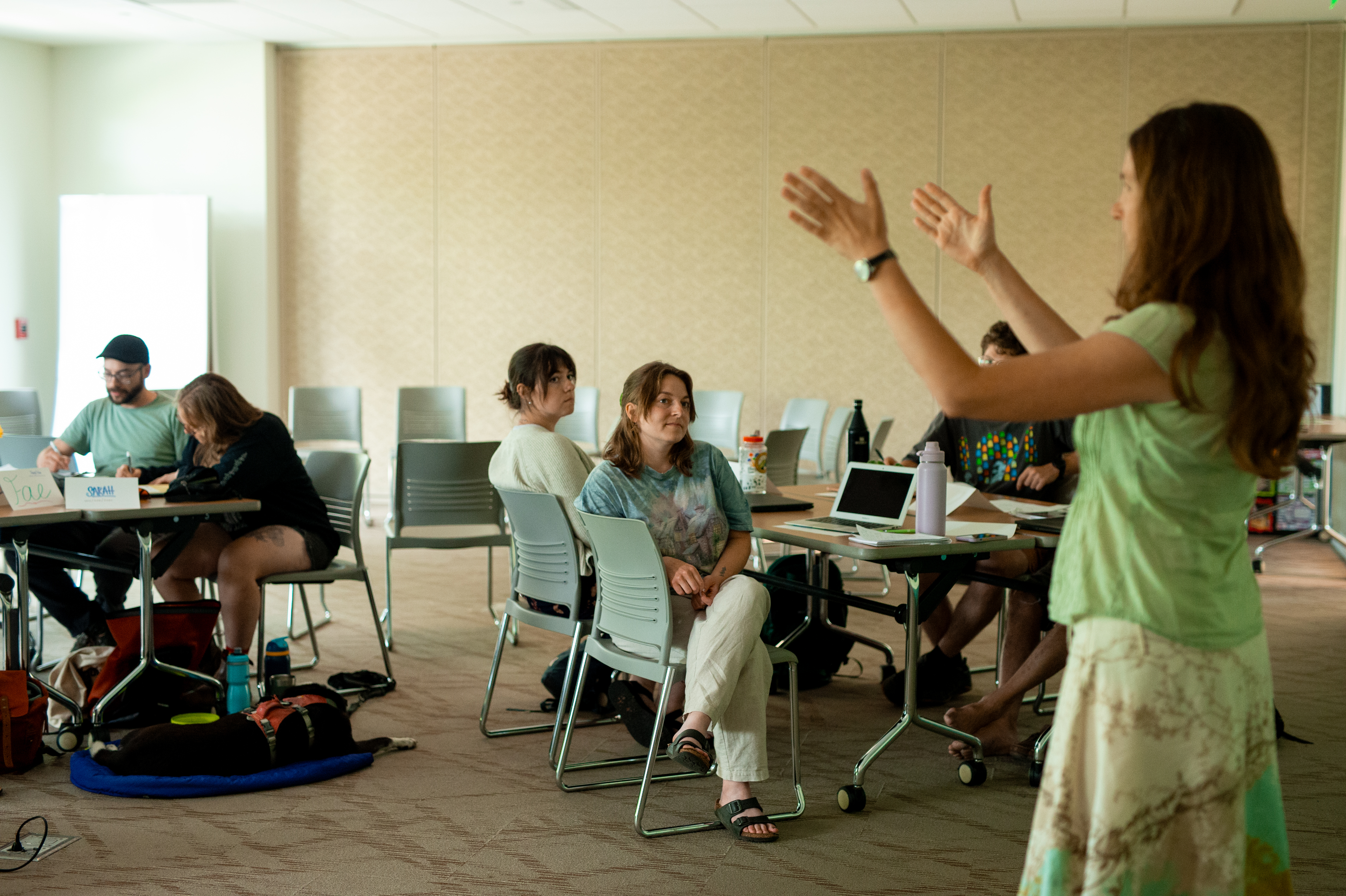
This second module supports the development of core technical skills necessary for data-informed and evidence-based climate work. Students gain fluency in a range of tools and frameworks relevant to their ongoing applied projects and future professional projects. The skills module courses occur online in either a synchronous or asynchronous format, depending upon the topic or skill being introduced. Skill modules vary depending on the student projects, and may include: greenhouse gas accounting and reporting frameworks, enhanced data visualization, general communication strategies, land-use dynamic simulators, NOAA resilience planning tools, map support, report writing, and more. Students are evaluated on a Pass/Fail basis. Prerequisite: Permission of instructor.
- Teacher: Delilah Griswold
- Teacher: Keith McDade
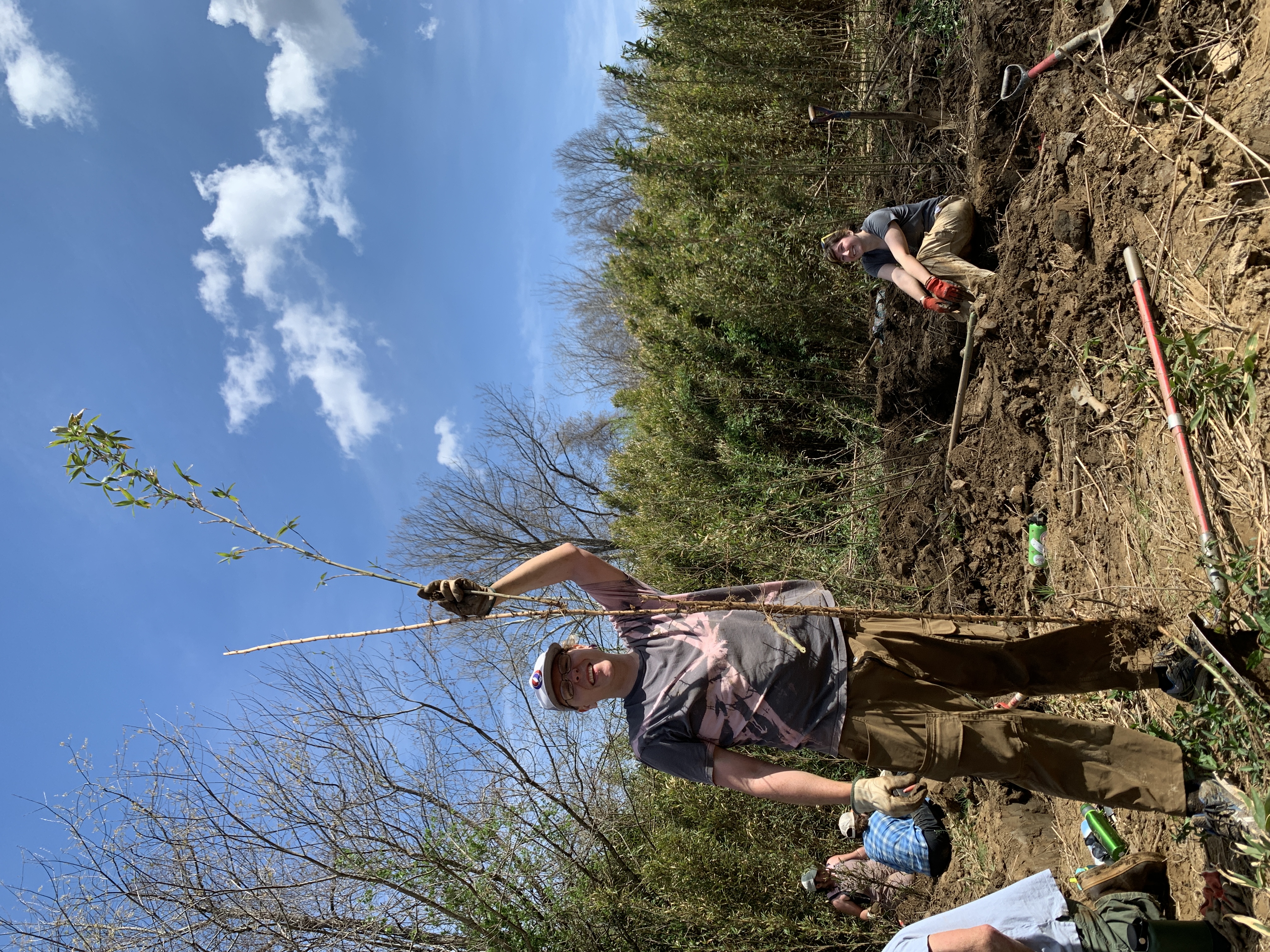
Building on the groundwork of Phase I, student teams move into more active implementation of their partner-engaged project. Drawing on skills developed in the MACS professional modules and preliminary courses, students co-design and execute research or applied interventions. Teams may gather, manage, analyze, and interpret data, pilot strategies, or test tools in close collaboration with their partner organization. Emphasis is placed on iterative development and continuous dialogue with partners. Deliverables will be co-developed with project partners and might include a project brief, a public-facing online presentation, and preparation of core materials for final deliverables. Prerequisite: Permission of instructor.
- Teacher: Delilah Griswold
- Teacher: Keith McDade

In this course, students gain the necessary knowledge and expertise to effectively address climate-related issues through the use of data management, analysis, and visualization techniques. Students explore a wide range of publicly available climate data sets and also consider strategies for collecting data. Students gain proficiency in statistical analysis and visualization processes and learn how to convert raw data related to climate challenges into visually appealing and informative graphics, charts, and interactive dashboards. Moreover, they understand the potential of these visualizations to raise awareness, shape public opinion, and stimulate action toward addressing climate change. Prerequisite: Permission of instructor.
- Teacher: David David
- Teacher: Delilah Griswold
- Teacher: Keith McDade
- Teacher: Holly Rosson