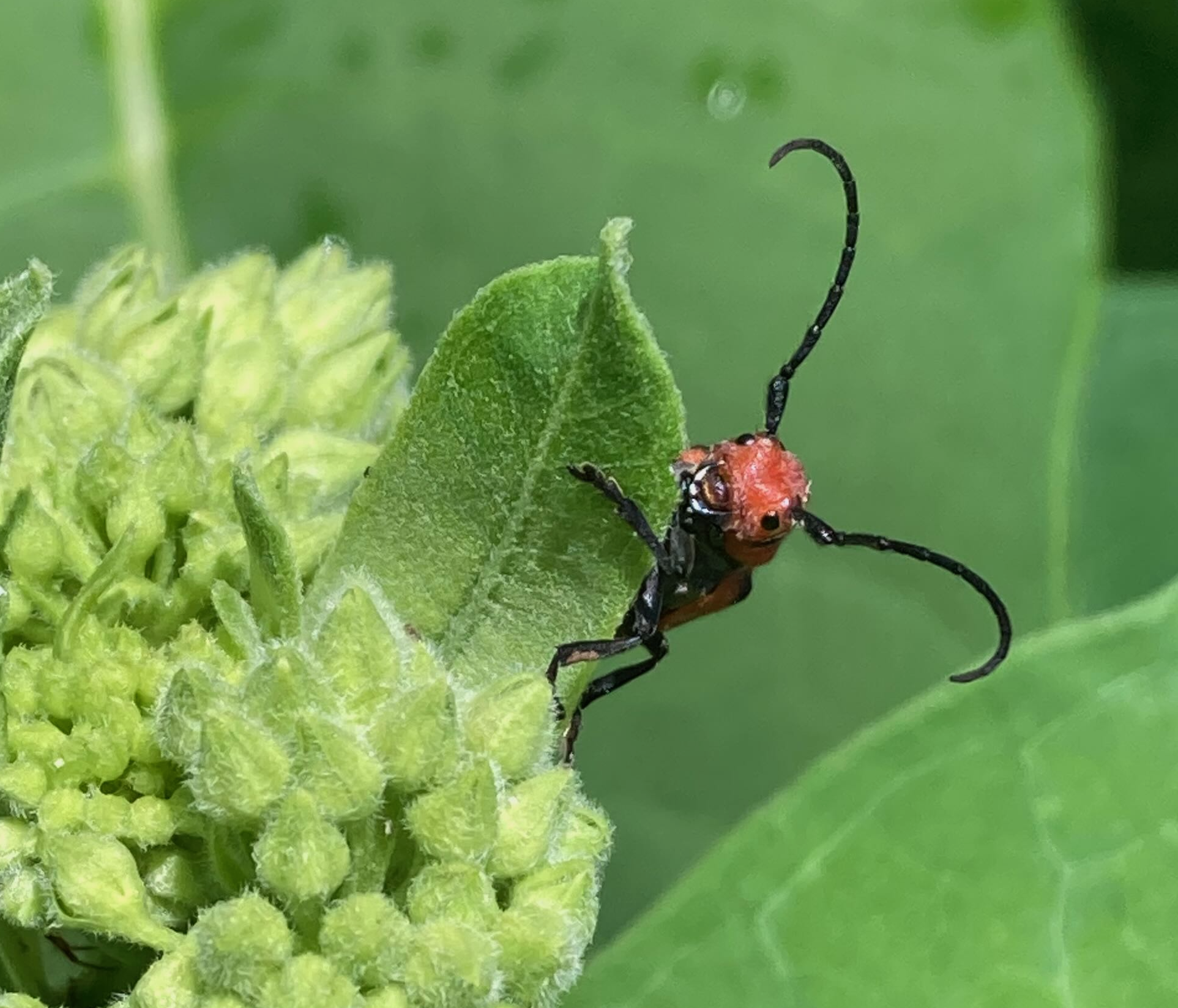
We depend on animal pollinators for production of nearly eighty percent of the seeds and fruits that make up the human diet, and yet this essential service has been ignored and often threatened by human activity. In this course, we will study the fascinating and vital relationships between plants and the animals they depend on for reproduction: bees, beetles, bats and many others, some common and familiar, others almost unknown. We will focus on the science of plant reproduction and the ecology of pollination, and examine the threats to this ecological relationship. We will also partner with a local organization in their work to create and preserve environments that encourage and protect pollinators.
- Teacher: Amy Boyd
This course covers research methods specific to both sociology and anthropology through directed readings, lectures, and projects designed to prepare students for the applied research undertaken in SOC 4100 Directed Research in Sociology/Anthropology. Focus is on survey and field research, field notes, methods of ethnographic documenting, in-depth interviewing, content analysis, and questionnaire development. Students are required to have their research proposals approved by the Social Sciences Institutional Review Board by the end of the semester. This course is offered every fall semester.
Prerequisites: SOC 1000 Introduction to Sociology and ANT 2000 Introduction to Cultural Anthropology, and junior or senior standing.
- Teacher: Siti Kusujiarti